April 30 is the last day to file taxes in Canada for 2026. As the big day gets closer, Globe Advisor and Globe Investor have joined forces to give tips on how to get the most out of your investments, find credits, and stay out of trouble with the IRS. You can find the whole series here.
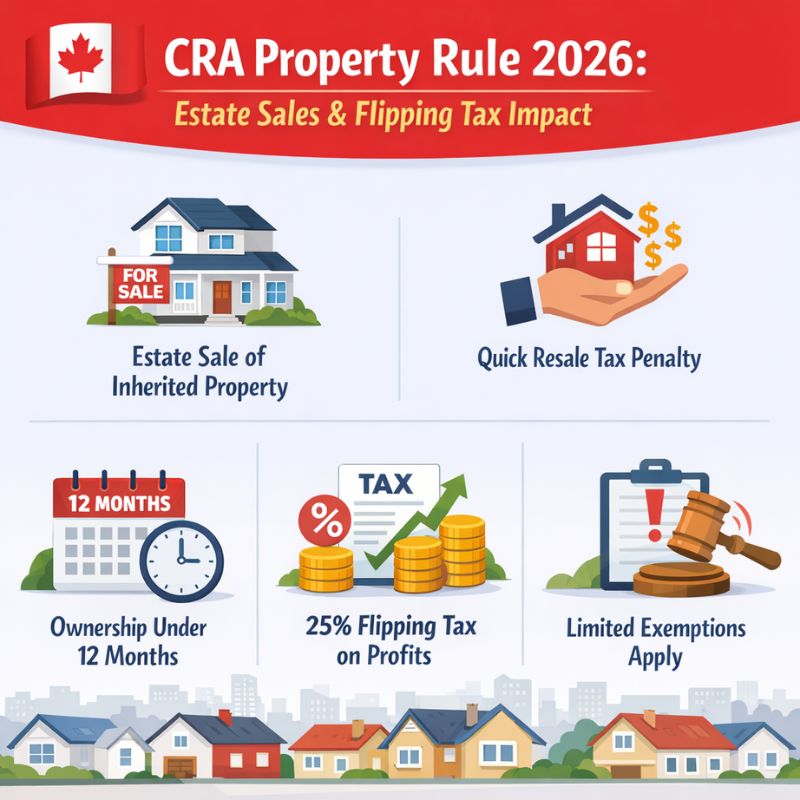
Canadians who want to leave a home to their heirs as part of their estate plan need to be careful about the rule that says they can’t flip homes.
The rule is meant to stop people from buying and selling houses for profit. It only applies to homes that are sold within a year of being bought. But experts in trusts and estates say that the rule might also apply when flipping isn’t the goal.

If the executor and the deceased weren’t related, for example, the rule might apply to an estate that sells a home within a year of getting it from the deceased. If a spouse sells their home within a year, the transfer of the home can also be caught.
Richard Niedermayer, chair of the Society of Trust and Estate Practitioners (Canada), and Kenneth Keung, chair of STEP Canada’s tax technical committee, wrote to the Department of Finance in April about the property flipping rule. They said that these and other transactions “can inadvertently trigger penalising tax treatment, despite lacking any true element of short-term speculation.”
They asked the government to think about changing the property flipping laws “to leave out dispositions that come from real estate planning.”
The property flipping rule, which went into effect in 2023, was put in place by Ottawa because they were worried that some homebuyers were flipping property and not reporting their profits correctly.
The rule automatically changes the way that gains from selling a home in Canada within a year of buying it are reported. Instead of being capital gains, they are now business income. That also means that the seller can’t use the principal residence exemption.
There are exceptions to the rule for things like death, divorce, or disability.
Fred Cassano, a partner and national real estate leader at PwC Canada, says that the flipping rule makes the Income Tax Act more complicated than it needs to be. He says that the CRA could always decide that the profit from selling a home is business income if they think a taxpayer has been flipping.
Stéphanie Pépin, a partner at Miller Thomson LLP in Montreal, says that the flipping rule now gives the CRA a clear test that makes it easier to go after the practice without having to do an audit.
She says, “It’s a presumption that can’t be changed if you don’t meet one of those exceptions.”
She says that tax advisors will need to keep the flipping rule in mind when they talk to clients about selling their homes.
These are some estate or estate-planning transactions that could be affected:
Transfers from an estate
If a beneficiary gets a house from an estate and sells it within a year, they might be breaking the property flipping rule. But if “the death of the taxpayer or a person related to a taxpayer” happens, there is an exception.
In a technical interpretation from 2024, the CRA said that the flipping rule might not apply if a child sells a home they got from a deceased parent’s estate within a year of getting it, as long as there is “a sufficiently clear connection” between the parent’s death and the sale of the home.

The authors of the STEP Canada letter say, though, that the CRA did not give any more information in the document about how it defines “a sufficiently clear connection.”
The authors also said that the exception wouldn’t apply to beneficiaries who aren’t related to the person under the Income Tax Act, like a niece, nephew, or friend, if they sold a home within a year.
Giving things to a spouse
During their lifetime, a person can give their spouse a home on a tax-deferred “rollover” basis. In general, the spouse who sold the house gets credit for any profit made when the house is sold.
If the spouse who gets the home sells it within a year, though, the flipping rule kicks in. This means that the gain, which goes all the way back to when the property was first bought, is taxed as business income and the principal residence exemption is lost.
If the person giving the house to their spouse chooses not to roll it over, which causes the capital gain, they could claim the principal residence exemption. But if the spouse who gets the house sells it within 365 days, the flipping rule would apply, and any profit made since the transfer would be business income.
If a person dies and their spouse sells the house within a year, the death exception to the flipping rule should apply if the sale meets the “sufficiently clear connection” test.
Giving to a trust
Clients often set up alter-ego, spousal, or joint partner trusts to avoid paying probate tax or to make managing their estates easier.
You can give property to these trusts without paying taxes on it right away. The trust is the owner of the home, and the home is the client’s main residence for all the years he or she owned it and lived in it.
But these rules about continuity of ownership don’t apply to the flipping rule. If the trust sells the property within a year, all of the profit since the original purchase is taxed as business income.
There may also be a problem if the person who gave a home to an alter-ego trust dies within a year of doing so. When they die, the property in the trust is considered to have been sold, which may trigger the property-flipping rule.
Armando Minicucci, a partner in Doane Grant Thornton LLP’s tax practice in Mississauga, says, “That’s obviously an unintended consequence.”
In 2024, the Department of Finance released a draft law that would add deemed dispositions on death from a trust to the list of flipping-rule exceptions. However, the law has not yet passed. In the 2026 federal budget, the government said it would go ahead with the plan.
Trust transfers
A family trust can give a home to a beneficiary without having to pay taxes on it right away. The beneficiary can claim the principal residence exemption for all the years they lived in the home, even the years it was in the trust, when they sell it.
If the beneficiary sells the home within a year of getting it from the trust, though, the flipping rule may apply. This means that the beneficiary can’t claim the principal residence exemption and must treat any profit as business income instead.